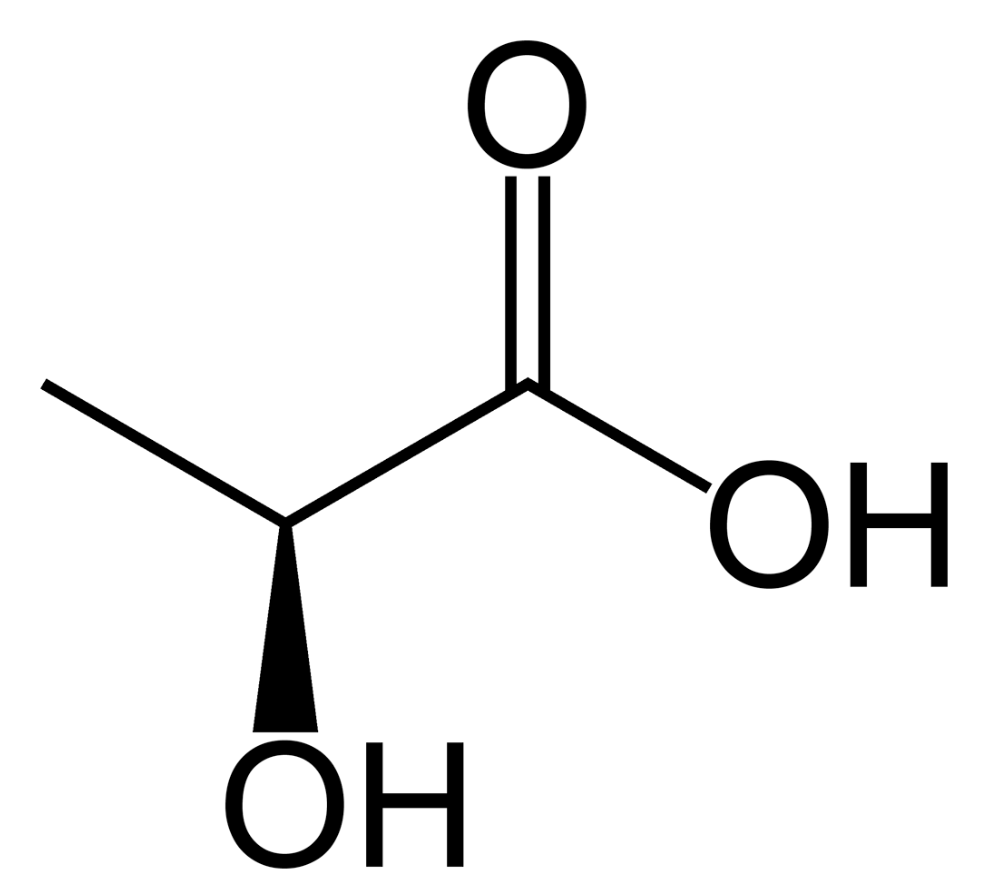
First, let’s check who we’re blaming
Your legs burn at the top of a hill, or the stairs feel like a mountain the next morning. The usual suspect? “Lactic acid buildup.” Honestly, one molecule gets blamed for an impressive number of things in exercise conversations. We might as well blame it when a shoelace comes undone.
Here’s the distinction I’d start with: The burn during exercise, fatigue, and next-day muscle soreness are not the same thing. One explanation cannot neatly account for all three.
The goal here is to make what happens in your body easier to understand. We’re not going to turn lactate into a villain—or soreness into a medal of achievement.
Myth 1: “Lactic acid is waste that builds up in muscles”
Although people commonly say “lactic acid,” under the body’s physiological conditions, the substance we’re mainly talking about is lactate. That may sound like a small naming detail, but it helps us get the story right.
Lactate is part of the processes involved in obtaining energy from glucose. Its formation helps cells maintain rapid energy production. It is not simply made and then left behind: Tissues including muscles and the heart can use it as fuel, and the liver can use it to produce glucose again.
So instead of treating lactate as something destined for the trash, think of it as part of the body’s energy supply system. The internal logistics team deserves a little credit.
Myth 2: “Lactate means your muscles aren’t getting oxygen”
Lactate is not produced only when oxygen is absent. The body produces and uses it when oxygen is available, too. As exercise intensity increases, energy demand and the balance between lactate production and use can change.
Rising blood lactate generally reflects lactate entering the circulation faster than it is removed. It does not mean your muscles have suddenly “run out of oxygen.”
The practical takeaway: Don’t pin a hard effort on a single molecule. Breathing, muscular energy demand, and exercise intensity all belong in the picture. Your body is more complicated than a pair of on/off switches.
Myth 3: “Lactic acid causes next-day muscle soreness”
This might be the most persistent myth on the list. Delayed-onset muscle soreness, especially after unfamiliar exercise, is not caused by lactate sitting in your muscles.
That soreness is associated with changes in muscle and connective tissue following unfamiliar loading, inflammatory processes, and pain sensitivity. Movements in which a muscle lengthens under load, such as downhill running, can be particularly likely to trigger it.
Post-exercise lactate levels fall, while this soreness can become more noticeable later. So the idea that “yesterday’s lactic acid is still in my legs” does not fit the timing, either.
And soreness is not required for a workout to be worthwhile. Being able to walk comfortably the next day does not mean your effort was wasted. Picking a fight with the stairs is not a performance metric.
Myth 4: “Lactate is the sole cause of burning and fatigue”
The burning sensation during intense exercise is real. But saying “lactate is burning your muscles” oversimplifies it. Changes in the chemical environment within muscles and the responses of sensory nerves are part of that sensation.
Fatigue also has multiple contributors. Exercise duration and intensity, the availability of energy sources, the nervous system, and environmental conditions can all play a role.
Here’s what I particularly want to underline: The burning sensation is not a lactate meter. You cannot use that feeling to determine an exact lactate concentration or your individual threshold. Chasing a stronger burn does not automatically make an effort more productive.
Myth 5: “Stretching or drinking lots of water flushes out lactic acid”
Hydration and unwinding after exercise can be worthwhile, but describing them as a “lactic acid cleanse” is misleading. Your body uses and converts lactate through its own metabolic processes.
Gentle movement can help blood lactate decline faster in some circumstances. However, a faster drop in blood lactate does not guarantee less soreness the next day or complete recovery. Those are different outcomes.
Similarly, stretching does not squeeze trapped lactate out of muscles. They’re not lemons. Choosing a movement because it feels comfortable is one thing; assigning it an unproven “flushing” function is another.
What does this change for your runs and walks?
The lesson is not to push harder. It is to interpret sensations more accurately:
- Don’t make burning the goal. Avoid judging an activity by how much it hurts.
- Respect unfamiliar demands. New hills or movements can make a familiar distance feel very different.
- Look for patterns, not just one day. Keeping your own notes on how an activity felt and how you felt afterward can be useful.
- Don’t dismiss every pain as normal. Seek advice from a healthcare professional for pain that is sharp, concentrated in one spot, worsening, or persistent, rather than brushing it off as “just lactate.”
With EchoPulseFit, you can start a run or walk in the mobile app and share a link so people close to you can follow your live location on a web map. Viewers can send applause and similar audio/visual encouragement, and you can revisit your activity history. Support is welcome—but an incoming cheer does not mean every hill has to become a race.
My closing thought: Lactate is not the villain of your workout. A useful first step toward understanding your body is to stop blaming it for everything and recognize that burning, fatigue, and soreness tell different stories.